EnglishEnglish
  |

OASIER
OSA003
| Quantity: | |
|---|---|
 | I. Adaptability Solutions |
1. Beverages & Solid Drinks
Beverage systems have high requirements for the cold‑water dissolution speed and solution clarity of blueberry extract. Conventional blueberry powder tends to agglomerate and disperse slowly in cold water, negatively affecting the reconstitution experience of end products.
Instant Blueberry Powder: Produced using spray drying combined with fluid‑bed granulation to create hollow, porous particles. The 80‑100 mesh fine powder dissolves rapidly in cold water, forming a uniform solution without precipitation.
Color Protection: Blueberry anthocyanins are most stable at pH ≤3. We provide addition level recommendations and expected color change curves based on the customer's final product pH, ensuring stable purple‑red color retention in acidic beverages.
2. Dairy Products & Yogurt
Yogurt typically has a pH of 4.0–4.5, which is close to the stable range of anthocyanins. However, pH fluctuations during fermentation and lactic acid bacteria metabolism may affect anthocyanin stability.
Post‑Fermentation Addition: We recommend adding blueberry extract or powder after fermentation is complete and pH is stabilized, avoiding the impact of pH fluctuations during fermentation.
3. Dietary Supplements
Capsules and tablets have the highest requirements for content consistency and powder flowability.
Standardized Content: Anthocyanin content can be customized to 5%, 10%, 25%, and other specifications (tested by HPLC), with batch‑to‑batch variation controlled within ±8%.
Flowability Optimization: 80‑120 mesh fine powder with a bulk density of 0.45‑0.65 g/mL, ensuring smooth capsule filling without bridging and stable fill weight.
| II. Quality Control |
1. Raw Material Source Control
Blueberry variety and origin directly affect the composition and content of anthocyanins. Different varieties exhibit distinct anthocyanin fingerprint profiles.
Fixed variety and origin: We select highbush blueberry varieties from contracted cultivation bases in major production areas such as Northeast China and Shandong.
Harvest time control: Harvesting is carried out at full maturity, with processing initiated within 24 hours of harvest.
Incoming raw material testing: Each batch is tested for anthocyanin content (pH differential method/HPLC), moisture, and pesticide residues before being accepted into the warehouse. Non‑conforming batches are rejected.
2. Batch Consistency & Retained Sample Management
Raw material blending for homogenization: Within the same harvest season, multiple batches of raw materials are tested for anthocyanin content and blended accordingly, with batch‑to‑batch variation of key indicators controlled within ±8%.
Retained sample system: Retained samples of each finished batch are kept for 24 months, with periodic re‑testing of anthocyanin content and fingerprint profiles.
3. Compliance Documentation & System Certifications
Each batch is supplied with:
COA (Certificate of Analysis): Including anthocyanin content, fingerprint similarity, and all test items
MSDS (Material Safety Data Sheet)
TDS (Technical Data Sheet)
Non‑GMO statement
Allergen declaration (free from common allergens)
Our facility is certified with ISO 22000 and HACCP. Kosher/Halal certification and third‑party test reports are available upon request.
4. Supply Assurance
Monthly production capacity: Sufficient capacity to meet orders of varying scales
Standard lead time: 7–12 working days; samples within 3 working days
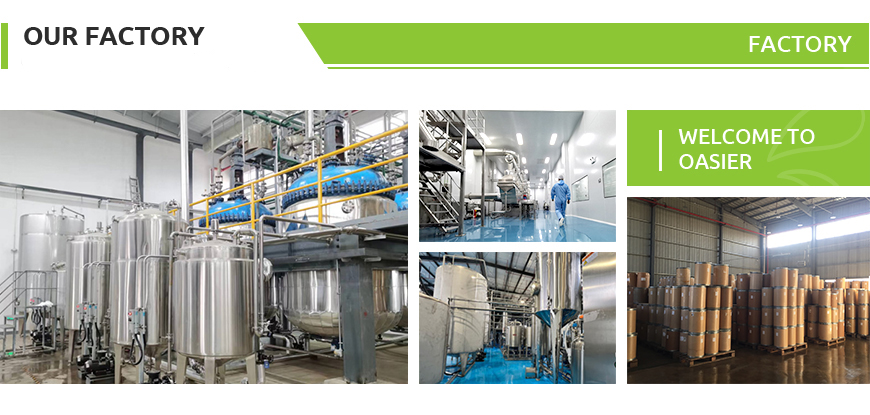
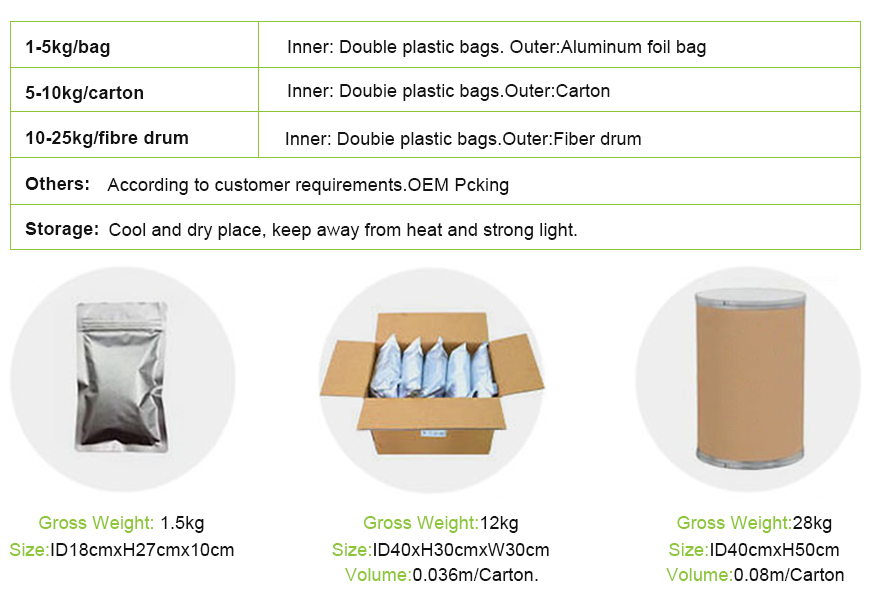
Packaging specifications: 1 kg aluminum foil bags (samples); 5 kg/10 kg/25 kg cardboard drums or fiber drums (lined with PE bags)
Export support: Certificate of Origin, Phytosanitary Certificate, Health Certificate, and other customs clearance documents provided
| Factory |
| Package |
| Logistic |