
 EnglishEnglish
Views: 101 Author: Site Editor Publish Time: 2026-07-24 Origin: Site
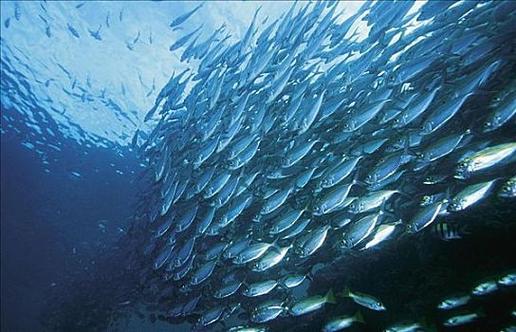
As the global population ages, seafood is gaining attention as an alternative protein source to support healthy aging.
With a growing body of research indicating that fish and other marine-derived proteins help prevent age-related muscle loss and physical frailty, the food industry is increasingly focusing on the nutritional value of "blue food" and "blue protein."
Blue food refers to food sourced from the ocean, such as seafood. Blue protein denotes the protein derived from these marine sources.
As muscle loss and physical decline linked to aging and inadequate protein intake become critical issues for the food sector, seafood proteins are emerging as a viable alternative to conventional animal proteins.
Experts highlight skipjack tuna as a particularly valuable "blue protein" for muscle health in older adults, owing to its digestible peptides and amino acid profile.
Notably, histidine — an essential amino acid — is found in skipjack tuna at levels approximately 4.6 times higher than those of other protein sources.
In South Korea, animal protein accounts for 57.5% of total protein intake among individuals under 65, but drops to just 36% among those aged 65 and over — underscoring a significant nutritional gap in the elderly population.
Compared to land-based proteins, marine proteins contain peptides that are more readily digestible and absorbable.
At the 2026 International Conference of the Korean Society of Food Science and Technology, a dedicated symposium was held to explore the nutritional potential and applications of blue food and blue protein in promoting healthy aging.

