EnglishEnglish
Views: 100 Author: Site Editor Publish Time: 2026-04-23 Origin: Site
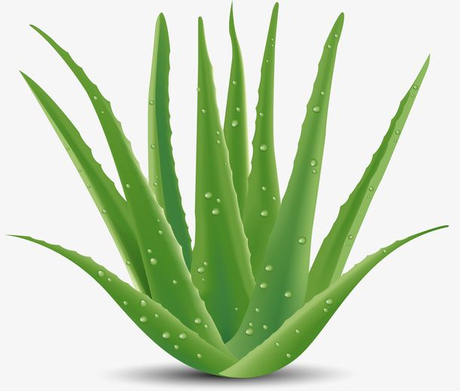
The word “aloe” is believed to come from an Arabic term meaning “bitter,” while “vera” means “true.” The name reflects the plant’s characteristic: the juice from its leaves turns dark when exposed to air. Aloe vera (scientific name: Aloe vera) is a perennial, evergreen succulent belonging to the Liliaceae family. Its leaves are thick, fleshy, and grow in a rosette pattern. The leaf margins are lined with small, sharp teeth.
Aloe vera is native to the Mediterranean region and Africa. Because it is easy to grow, it has become a popular ornamental plant worldwide. Of the more than 300 known wild aloe species, only about six are edible. Species with recognized medicinal value include Aloe vera barbadensis (often simply called aloe vera), Curacao aloe, Cape of Good Hope aloe, and Yuanjiang aloe, among others.
Aloe vera is valued as an edible plant, a medicinal herb, a beauty ingredient, and an ornamental.
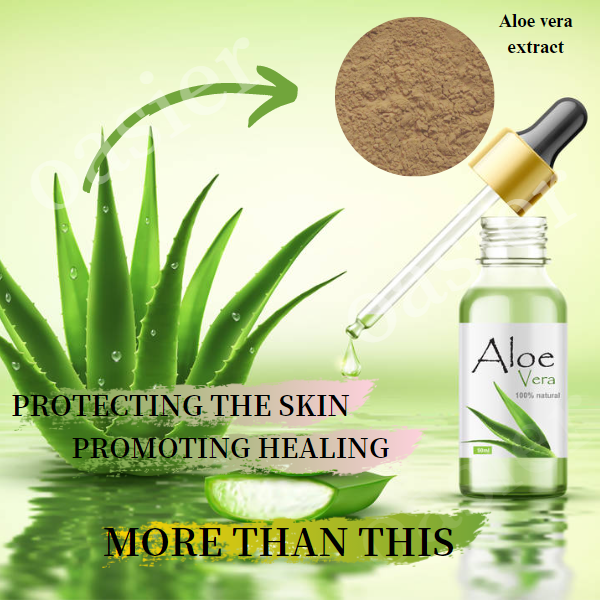
The main active compounds in aloe are anthraquinones (such as aloin), which are widely used in both pharmaceutical and cosmetic applications. In traditional Chinese and folk medicine, aloe vera has long been used for skin care, hair care, and as a natural remedy for various skin conditions. Aloe vera gel for skin is particularly well known for its soothing effect, including relief from mosquito bites and minor skin irritations.
Moisturizing & nourishing – Aloe vera contains polysaccharides and several vitamins that help moisturize, whiten, and nourish the skin.
Direct application – Fresh leaves from Curacao aloe are often used directly for their astringent, softening, hydrating, and anti-inflammatory properties.
Anti-aging & scar improvement – Aloe helps soften hardened skin, reduce scarring, and prevent fine lines, eye bags, and skin looseness. It keeps the skin supple and youthful.
Acne & blemish control—It is effective against acne, freckles, pimples, and even minor burns, wounds, and insect bites.
Hair care – Aloe also benefits the hair, making it moist and smooth and helping to reduce hair loss.
For daily facial care, aloe vera face wash is a gentle yet effective option that cleanses without stripping natural oils.
Rich in nutrients – Aloe vera contains 75 different elements, closely matching what human cells need. It is often called a “magic plant” or “family medicine cabinet.”
Anti-aging & immune support – The mucilage (mucin) in aloe, composed of polysaccharides such as arboran and aloemannan, helps prevent cell aging and supports treatment of chronic allergies. It also strengthens the body.
Wound healing & radiation protection – Aloe pulp has been shown to protect against skin trauma, burns, and even X-ray local irradiation.
Cardiovascular support – Components like calcium citrate in aloe help strengthen the heart, improve blood circulation, soften arteries, lower cholesterol, and dilate capillaries. This supports normal blood pressure and reduces the “toxins” in the bloodstream.
Antiviral & anti-inflammatory – Aloin, wound hormones, and glycans (such as Ke 2) have antiviral effects, promote wound healing, reduce inflammation and swelling, soften skin, and maintain cell vitality. The polysaccharide gel also contains carboxypeptidase, which actively supports wound healing.
For systemic support, aloe vera capsules offer a convenient way to take aloe internally, providing digestive and immune benefits.
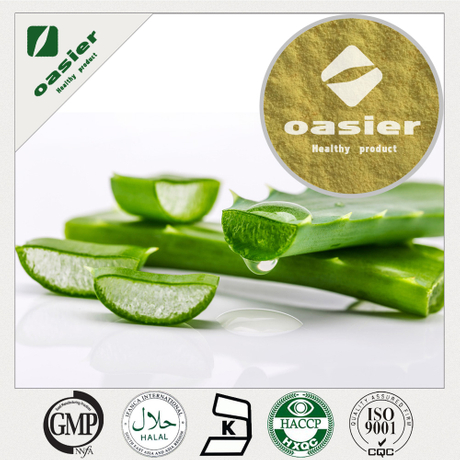
For manufacturers of dietary supplements, cosmetics, and personal care products, aloe vera extract is a versatile raw material. It can be standardized for specific active compounds and used in formulations ranging from gels and lotions to capsules and face washes.
Let me know if you need a shorter version or one tailored specifically for product catalogs or B2B marketing materials.